
Turning Food Waste Into Sustainable Value
A B2B agri-food circular economy startup rescuing surplus produce from wholesale markets and transforming it into value-added products for a sustainable future.
397+
Tons Daily at Karwan Bazar
40%
Food Wasted Post-Harvest
3-Tier
Grading System
The Post-Harvest Loss Crisis in Bangladesh
Karwan Bazar, Bangladesh's largest wholesale marketplace, handles 396,950 kg of vegetables daily. Yet, a significant portion becomes waste due to systemic inefficiencies.
Massive Food Loss
20-40% of fruits and vegetables in Bangladesh are lost post-harvest, translating to 50,000-100,000+ tons annually.
Infrastructure Gap
Lack of cold chain, sorting facilities, and quality control. Overloading and poor handling damage 20-30% of goods.
Price Speculation
Traders intentionally discard surplus to maintain price margins, eliminating downward price pressure.
No Value Recovery
Spoiled produce currently goes straight to landfills with no mechanism to capture remaining value.
The Supply Chain Breakdown
Structural inefficiency, infrastructure gaps, and price speculation create a wasteful cycle.
100K+
Tons Wasted Annually
30-40%
Spoilage Before Consumer
Upcycle Khaddo: The Circular Food System
We rescue surplus produce at the moment of waste and upcycle it into three distinct value streams, creating a sustainable circular economy.
Rescue
Collect surplus produce from wholesale markets at closing time before it becomes waste.
Grade
Sort produce into three tiers based on quality and optimal use case.
Process
Transform each grade into appropriate value-added products using specialized techniques.
Distribute
Supply processed products to B2B customers and create circular value streams.
Why This Matters
Our innovative approach addresses food security, environmental sustainability, and economic growth simultaneously—with each reinforcing the others.
2026
Pilot Launch
2030
National Network
Innovative 3-Tier Grading System
Each tier serves different markets with distinct economics, customers, and shelf-life requirements—maximizing value from every piece of rescued produce.
Fresh Surplus Rescue
Input
High-quality produce unsold at market closing
Processing
Minimal - washing, light processing, vacuum-packing
Output
Ready-to-use fresh ingredients
Shelf Life
7-14 days (up from 1 day)
Target Market
Hotels, restaurants, catering services, food delivery platforms
Value Added Processing
Input
Physically imperfect but nutritionally intact produce
Processing
Industrial dehydration, grinding, pulping
Output
Dehydrated powders, fruit pulps, dried snacks
Shelf Life
12+ months
Target Market
Food manufacturers, beverage brands, export markets
Circular Compost System
Input
Heavily spoiled produce + restaurant food waste
Processing
Aerobic composting (6-12 week cycle)
Output
High-grade organic compost
Shelf Life
Indefinite
Target Market
Urban gardeners, nurseries, sustainable agriculture
Aligned with UN Sustainable Development Goals
Our solution optimizes for food security, environmental sustainability, and economic growth simultaneously—with each goal reinforcing the others.
Responsible Consumption & Production
Preventing waste from entering landfills by rescuing surplus at the wholesale level.
Key Metrics
Zero Hunger
Making food available through upcycling and reducing prices via efficient supply.
Key Metrics
Decent Work & Economic Growth
Creating green jobs across the value chain with dignity and growth pathways.
Key Metrics
Climate Action
Reducing methane emissions from diverted organic waste in landfills.
Key Metrics
Life on Land
Organic compost improves soil health and reduces chemical fertilizer dependence.
Key Metrics
Our Journey to a Circular Food Future
From a pilot kitchen to a nationwide network—our strategic milestones for transforming Bangladesh's food waste landscape.
Pilot Phase
Launch Mini Kitchen near Karwan Bazar; validate demand and processing workflows
Current PhaseMarket Expansion
Expand collection to multiple Dhaka wholesale markets; formalize B2B contracts
Export Ready
Introduce export-grade dried products; improve processing automation
Nationwide Network
Expand to Chittagong and Khulna; establish nationwide circular food network
Meet Team Upcycle
A dedicated team from the University of Dhaka committed to transforming Bangladesh's food system through innovation and sustainability.

Md. Ahnaf Rahman Abir
CEO & Team Captain
Strategy, Investor Relations, Vision Alignment
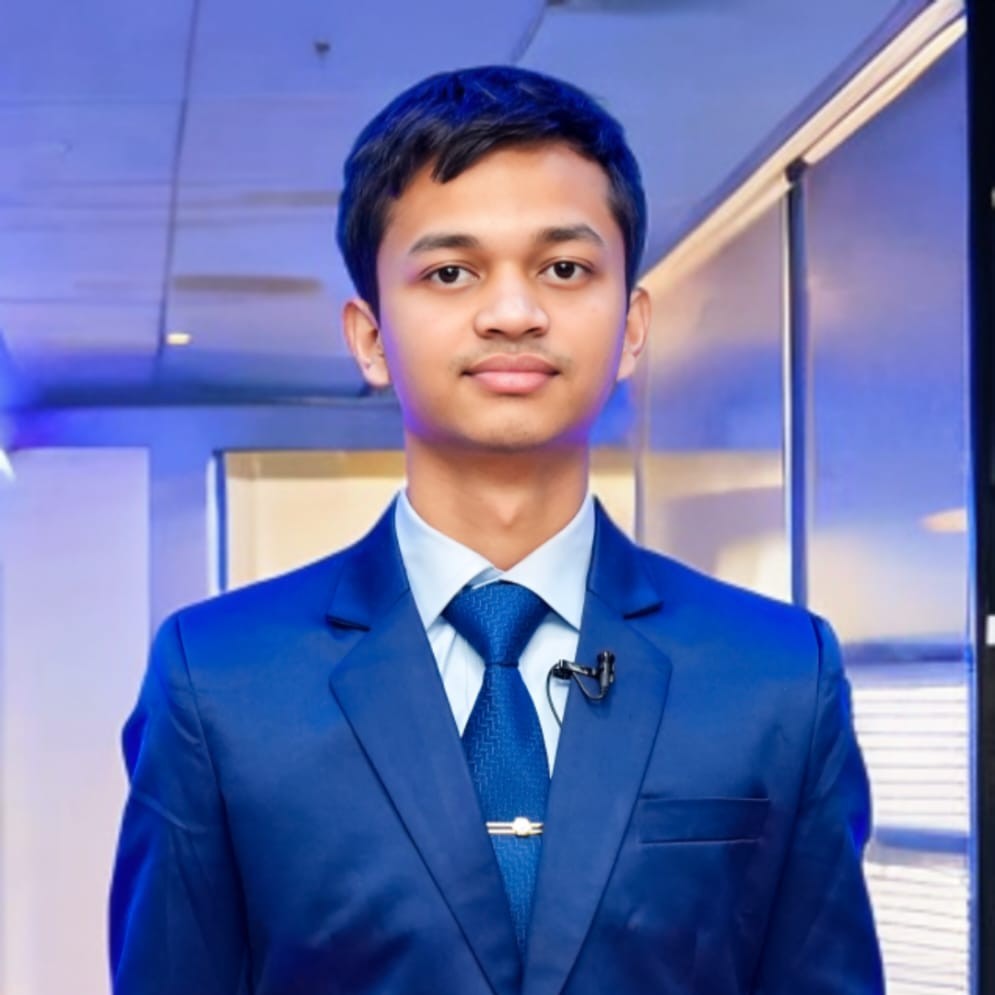
Jawat Al Sovon
COO
Operations, Supply Chain Management, Market Collection & Warehousing
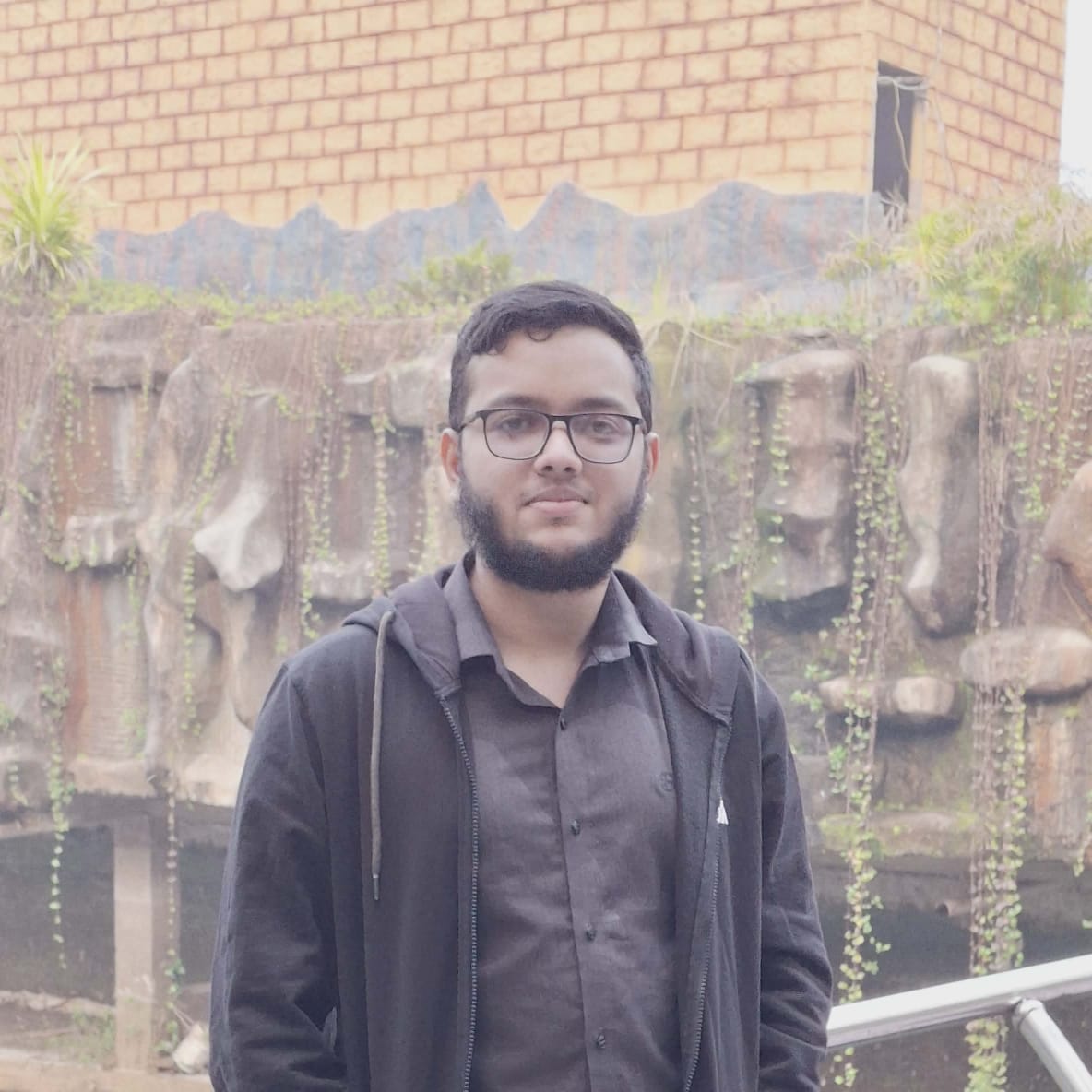
Tahmid Islam Tasen
CMO
B2B Partnerships, Sales, Branding

Shafin Ahmed Soron
CTO
Technical Processing Standards, Machinery, Designing, R&D for Shelf-life Extension